Bookworm eyewear is less about a costume and more about a smart, intentional frame choice. Shoppers looking for nerd glasses, nerdy glasses, geek glasses, preppy glasses, chic glasses, or literary-inspired eyewear usually want frames that feel thoughtful, polished, and easy to wear with everyday outfits.
The same page can also help compare vintage glasses and retro eyeglasses because academic style often borrows from familiar decades: round 1920s-inspired frames, stronger 1950s browlines, soft 60s shapes, oversized 70s glasses, and thinner early 2000s frames.
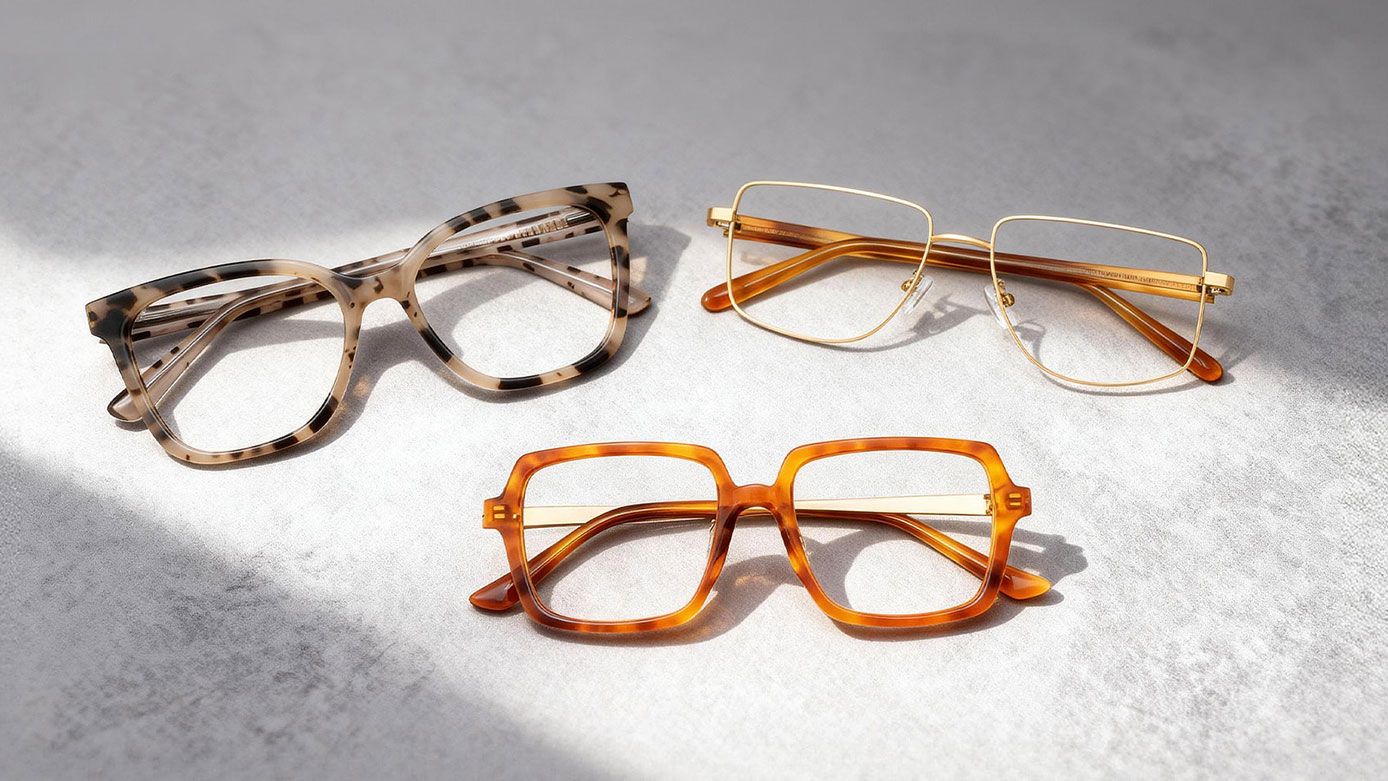
Nerd glasses vs geek glasses vs bookworm eyewear
These terms overlap, but they carry slightly different styling cues. Nerd glasses often mean visible, structured frames with an intellectual look. Geek glasses can be similar but slightly more playful or tech-inspired. Bookworm eyewear tends to feel softer, literary, and classic. Preppy glasses are cleaner and more polished, often built around rectangle, browline, tortoise, or slim metal frames.
| Style search | Frame cues | Best starting point |
|---|---|---|
| Nerd glasses | Thicker rims, dark color, rectangular or square shape | Rectangle glasses |
| Geek glasses | Structured shape, practical color, slightly bold profile | Square, rectangle, or browline frames |
| Bookworm eyewear | Tortoise, round, oval, or slim metal frames | Round glasses and tortoise styles |
| Preppy glasses | Clean lines, polished finish, classic colors | Black, tortoise, amber, or metal frames |
| Chic glasses | Simple shape with elevated color or detail | Cat-eye, oval, or slim rectangle frames |
Vintage and retro glasses by decade
Decade terms are useful for style direction, but they should not become separate collection pages unless there are enough real products. A 1920s glasses search often points to round or wire-inspired frames. 1950s glasses often suggest cat-eye, browline, or thicker acetate. 60s eyeglasses and 70s glasses often lean round, oversized, warm-toned, or lightly tinted. Early 2000s glasses can point toward thinner rectangular frames and metal details.
Instead of forcing every decade into a thin page, compare the frame features: lens shape, rim thickness, material, color, and bridge fit.
How to make academic glasses wearable
- Choose a practical shape: Rectangle, square, browline, round, and oval frames all work for academic styling.
- Keep the color repeatable: Black, tortoise, brown, clear, gold-tone, and amber are easier to style often.
- Watch the size: Oversized frames can feel expressive, but they should still match your face width and bridge fit.
- Use lenses intentionally: Reading, single-vision, blue light, or progressive options should match your actual daily tasks.
Where to browse next
For a classic academic look, start with rectangle glasses, round glasses, browline glasses, tortoise shell glasses, or black glasses. For bolder personality-led styling, read the quirky glasses guide.
FAQ
What are nerd glasses?
Nerd glasses usually mean structured eyeglass frames with a smart, academic look. They are often rectangle, square, browline, round, black, tortoise, or thicker-rimmed styles.
Are geek glasses and bookworm glasses the same?
They are close. Geek glasses often feel a little sharper or more playful, while bookworm eyewear usually leans classic, literary, and softer.
What frames create a preppy glasses look?
Preppy glasses usually work best in clean shapes and classic colors: rectangle, browline, tortoise, black, brown, gold-tone, or slim metal frames.
Should I shop by vintage decade?
Use the decade as inspiration, then shop by actual frame details. Round, browline, cat-eye, oversized, wire, and slim rectangle frames are easier to compare than broad decade labels.
Conclusion
Nerd glasses, geek glasses, bookworm eyewear, and retro academic frames work best when the style looks intentional and the fit still works for everyday wear. Use the aesthetic as a direction, then narrow by shape, color, material, and lens needs.