A popped-out lens is often fixable at home when the frame is still intact. The safer approach is to inspect first, use gentle pressure, and avoid forcing the lens back into a bent or damaged frame.
This guide shows how to put a lens back in glasses, when to use a repair kit, and when to compare new frames such as rectangle glasses, square glasses, acetate glasses, or a complete lens package instead of reusing a worn frame.
Why Do Lenses Pop Out of Glasses?
In practice, lenses fall out for a few reasons, and most of them are pretty simple.
That happens over time, especially if the glasses get used a lot. Other times, the frame takes a hit, maybe they get dropped, squished, or bent a little. That can pop the lens right out. With cheaper glasses, the lens might never have fit snugly to begin with. Sometimes the tiny screws in the frame come loose.
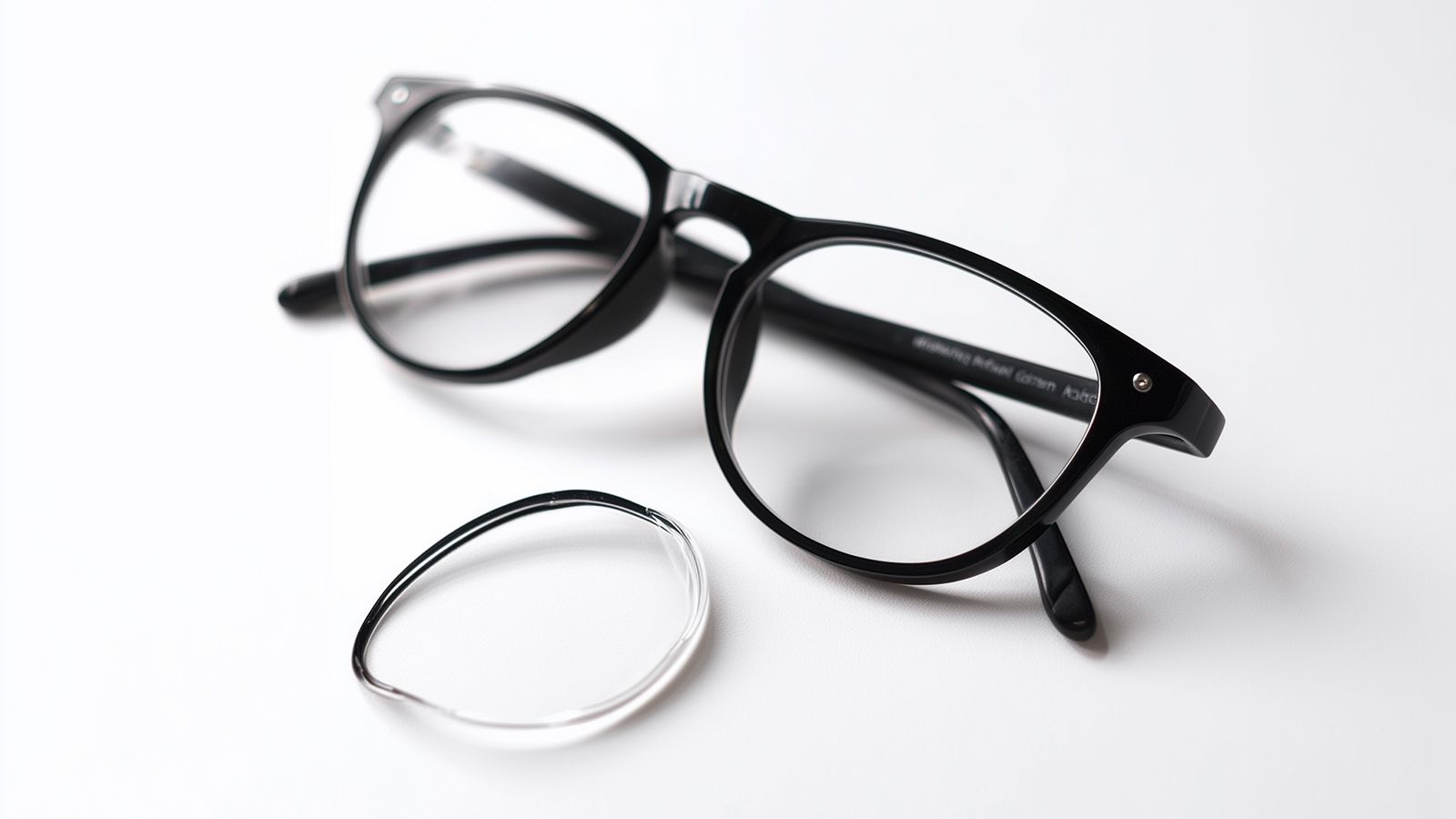
Frames expand in heat and shrink in cold, and that movement can loosen the grip on the lens. It is frustrating. Your vision blurs. You lose time. But the fix is usually quick. Heat and cold can also affect your frames.
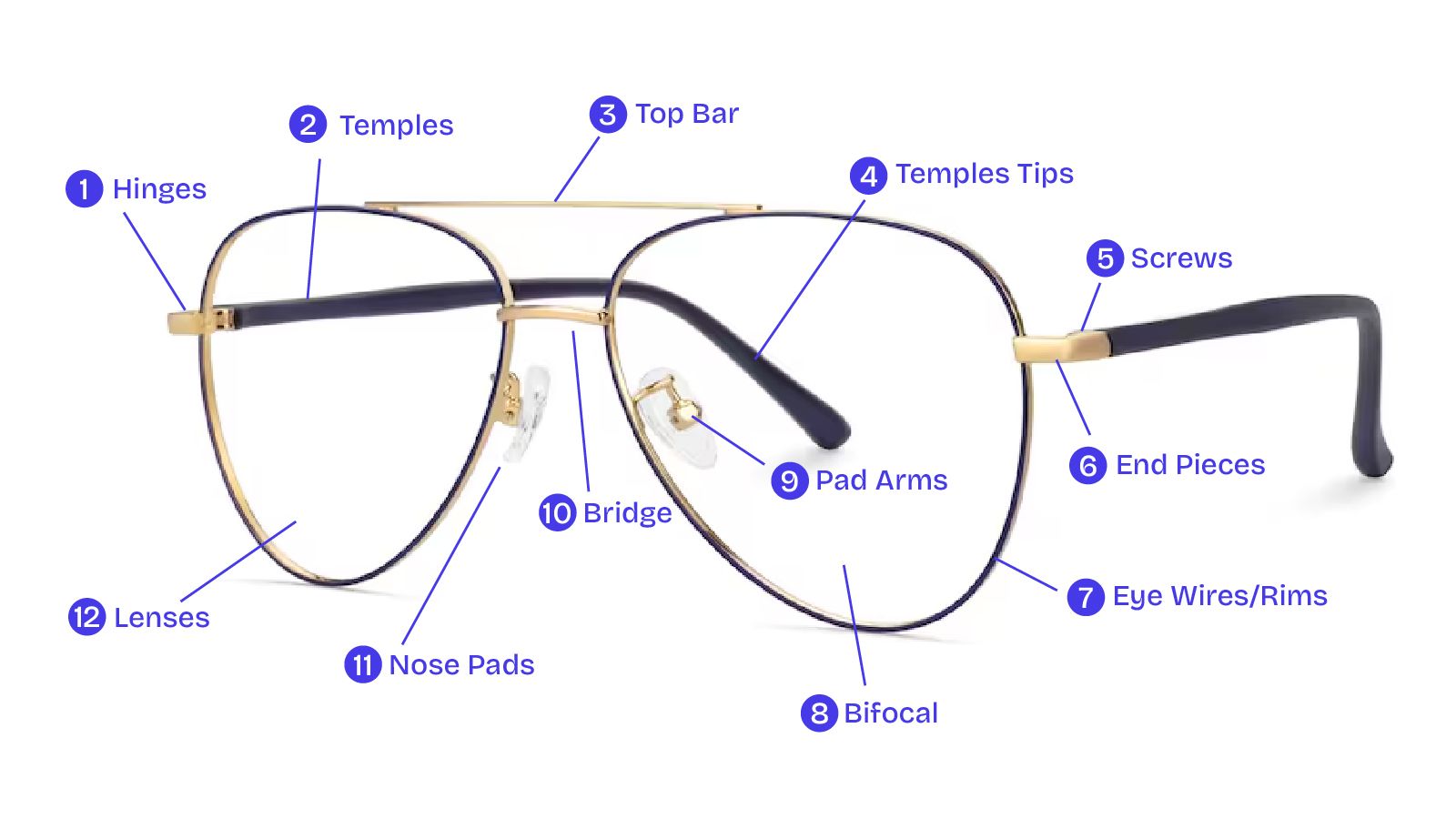
Step-by-Step Guide to Fixing a Popped-Out Lens
A lens that’s fallen out may look like a big problem, but it is often an easy fix if the frame isn’t broken. Do not toss the glasses aside.
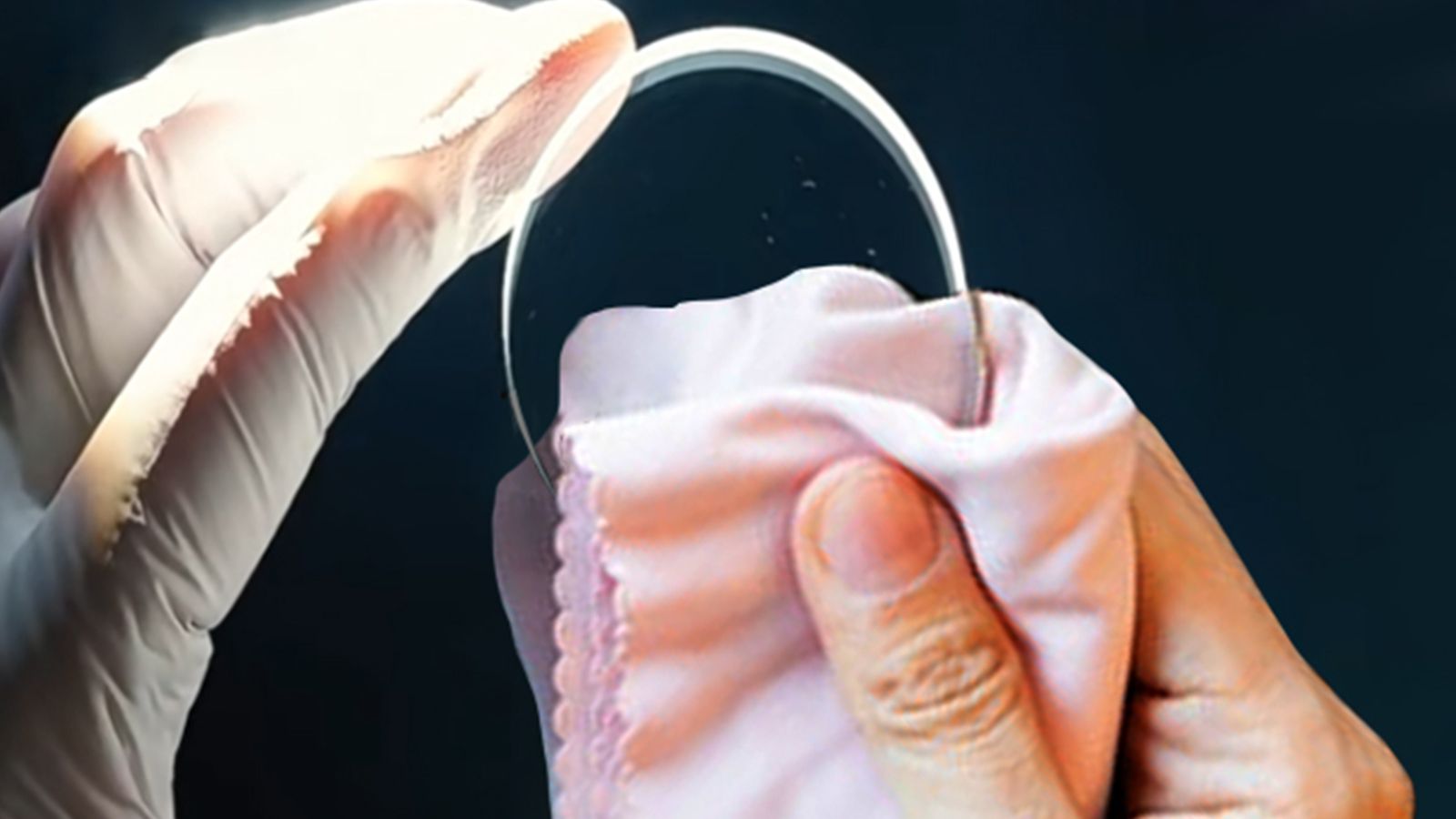
1. Clean the Lens and Frame
Use a soft cloth and a bit of lens cleaner or water. This helps you see the groove clearly, and dust or grit will hopefully not scratch the lens as you push it back in. Before anything else, give the lens and frame a quick clean.
2. Inspect the Frame
Are the screws loose? Is there a crack anywhere? Check if a screw has fallen out. If something is lost or broken, you can't just fix it, but you'll have to do something more. If everything appears fine, though, move on. Now take a close look.
3. Align the Lens
Place the lens into the frame gently. Make sure it matches the shape. Do not force it. You just want it to sit in place for now. In practice, this part needs a steady hand.
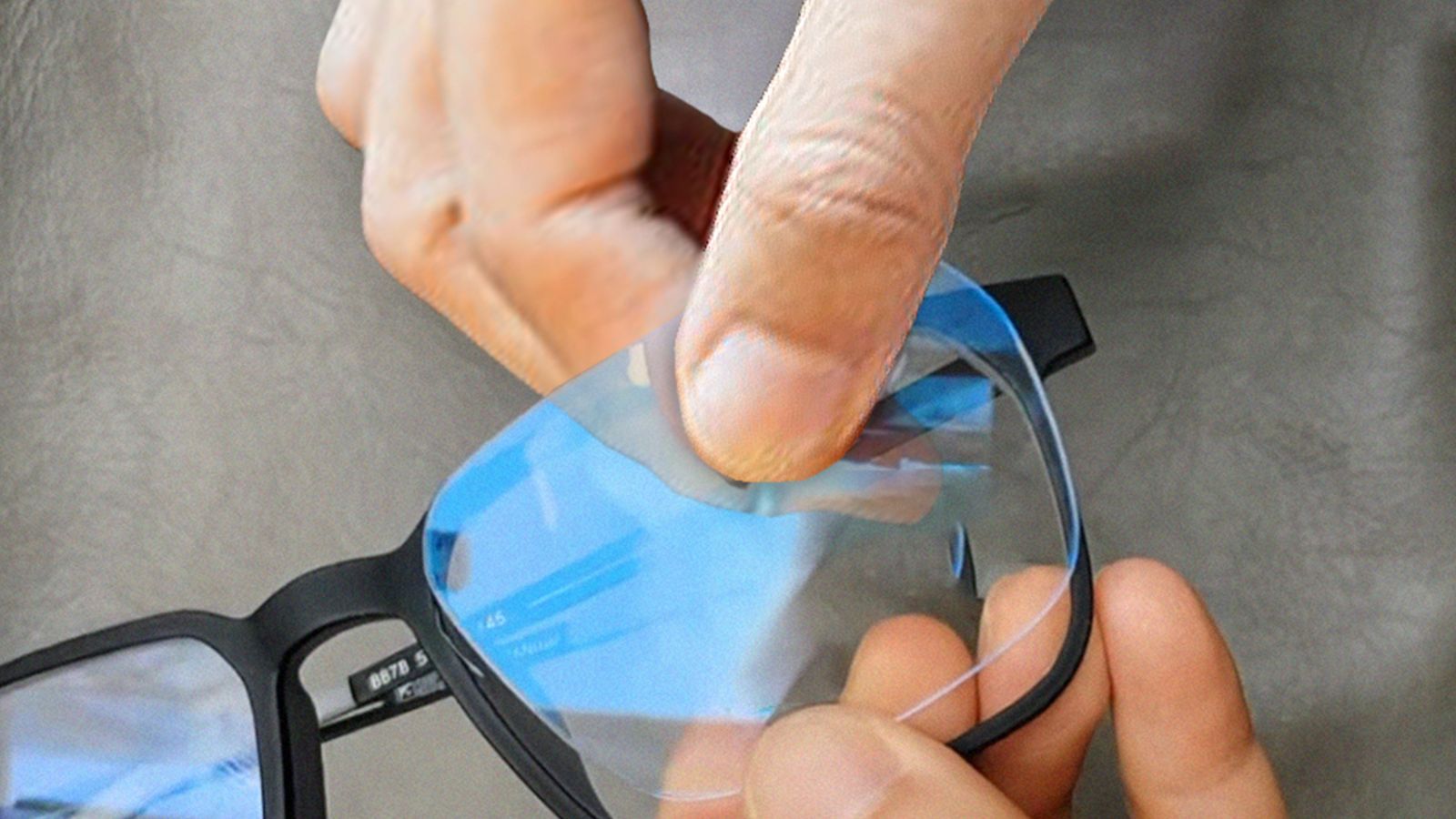
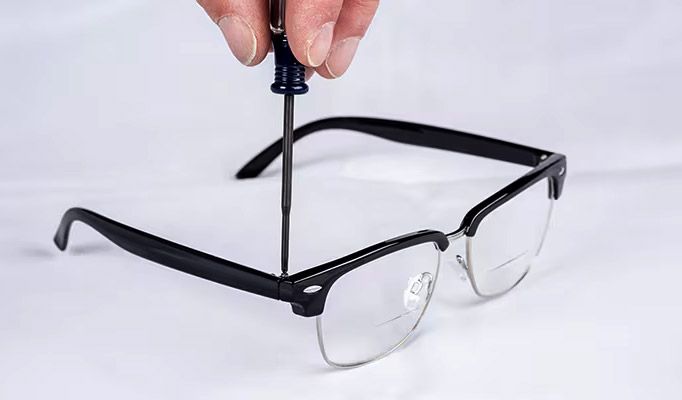
4. Secure the Lens
If glasses are of the rimless or semi-rimless type, the usage of a small screwdriver is required for screw tightening. This action holds the lens in place. For full rimmers, press evenly around the lens edge until it falls into the groove.
5. Test the Fit
That's right, tight, and doesn't move then. If it feels loose, you may have to align it again or use a repair kit. Don't force it. That can crack the lens or stretch the frame. Shake the glasses and tap the lens gently with your finger.
Consider keeping a small glasses lens repair kit at home for anyone who wears glasses frequently; it's inexpensive and readily available in optical shops or online.
Tips to Prevent Your Lens from Falling Out Again
In practice, it is one thing to fix the lens, but you probably want to avoid dealing with this again.
- Check your screws once a month. Give them a quick twist if they feel loose.
- Choose well-made frames. Designs like SatisVision's spring hinges or adjustable nose pads stay firm over time.
- Always use a hard case. Tossing your glasses in a bag without protection is a quick way to bend a frame.
- Keep them out of extreme heat or cold. Leaving glasses in a hot car or a freezing coat pocket isn’t good for the frame material.
Taking a few seconds now and then for care can save you from a repeat surprise.
Changing sunglass lenses or reusing old lenses
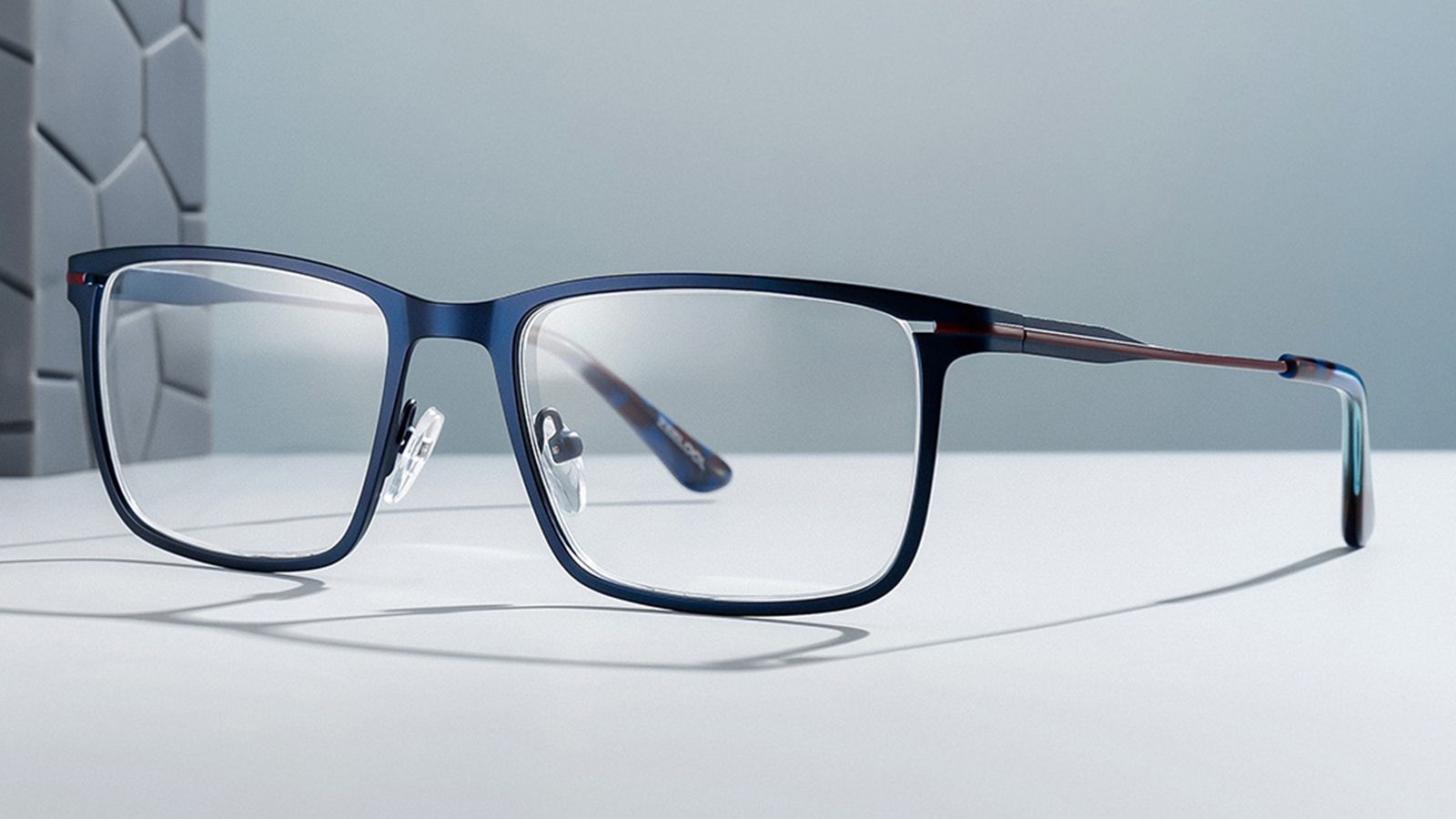
Changing sunglass lenses is different from snapping a popped lens back into the same frame. Replacement lenses need to match the frame groove, lens curve, edge shape, mounting style, and prescription placement. This is especially important for polarized, mirrored, tinted, rimless, or semi-rimless lenses because the lens edge and coating can be easier to damage.
If you are looking for replacement frames for existing lenses, compare exact frame measurements first and ask an optician when the lenses are prescription, progressive, high-index, or strongly curved. A new frame that looks similar online may still place the optical center incorrectly or leave the lens loose. When the fit is uncertain, ordering a new frame and compatible lens package together is usually the cleaner path.
For searches such as new lenses for old frames, old frames new lenses, lenses for my frames, replacement lenses for frames, need lenses only, or lens replacement for frames, start by checking whether the old frame is still straight, stable, and clearly identifiable. The lab needs more than lens power; it also needs the exact lens outline, frame curve, groove depth, and mounting style.
Putting new lenses in old frames can be reasonable when the frame is in good condition, but it is not automatic. Rimless frames, semi-rimless frames, strong prescriptions, progressive lenses, and prism values all need closer review because small alignment changes can affect comfort and clarity.
Lens-only orders, frames without lenses, and special-order lenses
Searches like lenses only, frames without lenses, special order lens, or lenses frames usually come from shoppers who want to separate the frame purchase from the lens purchase. That can work in some optical shops, but online it needs careful matching. Lens shape, frame groove depth, screw placement, lens curve, and PD all need to line up before a lens can be mounted correctly.
Faceted lenses, circular lenses, and cat-eye lens shapes are especially dependent on the exact frame outline. A lens cut for one round or cat-eye frame may not fit another frame that looks similar in a product photo. If you are replacing only the lens, confirm the frame model and measurements first; otherwise choose a new frame and compatible lens package together.
Choosing the Right Glasses to Avoid Lens Issues
If your lenses keep falling out, the frame might not be right for you.
Look for ones with deep grooves and secure edges for a snug fit. Lightweight frames made with durable material also help. Lenses made from impact-resistant materials are less likely to chip or pop out. Some frames just grip lenses better.
If you are active or if your job involves a lot of movement, go for glasses that flex a bit and stay snug. Spring hinges and adjustable features make a difference. SatisVision offers a bunch of these, and they don’t make you give up style for comfort. In practice, also, think about how you use your glasses.
Conclusion
Most of the time, you can handle it at home. Clean all parts, check the frame, and snap the lens back into place. This will take only a few minutes. To stop it again, the frame must be cared for: the screw must be tightened, good case usage must be employed, and frames that match life habits must be chosen. If your glasses are no longer holding up, it might be time for a new pair. SatisVision offers a variety of options worth exploring. A lens falling out may seem like a hassle, but it does not have to be a big deal.
Searches such as how to put lens back in glasses, replacing eyeglass lenses, or replacing glasses lenses can describe very different jobs. Re-seating a loose lens in the same frame is a small fit issue; ordering new prescription lenses or changing lens type needs accurate frame measurements and optical alignment.
Share it in the comments. Want more tips? Check out SatisVision's blog for easy guides and eyewear advice that actually helps. Got your own trick for lens fixes?
FAQ
Can you pop a glasses lens back in yourself?
The lens pops back in by carefully aligning it with the frame groove and applying even, gentle pressure around the edge until it clicks into place—no tools required. Semi-rimless and rimless frames are trickier, as they use a screw to hold the lens, so you’ll need a small screwdriver from a glasses repair kit. The trick is to go slowly and not force it, as too much pressure can crack the lens or warp the frame. Yes, for most full-rim frames you can.
How do I keep my glasses lenses from falling out again?
Always store your glasses in a hard case rather than loose in a bag where they can get bent or compressed. Keeping glasses away from extreme heat (like a hot car dashboard) and cold is also worth doing, since temperature swings cause frame materials to expand and contract, gradually loosening the lens fit. If the lens keeps falling out despite these steps, it may be worth considering a frame with deeper grooves or spring hinges for a more secure hold. Check your frame screws roughly once a month and tighten any that feel loose—this is the single most effective preventive step.
What should I do if my glasses lens falls out and I can't fix it at home?
Most optical shops can refit a lens or replace a screw quickly and inexpensively. If the frame is too damaged to hold the lens properly, it's worth considering a replacement pair—repeated lens-popping is usually a sign that the frame is no longer fit for purpose rather than a fixable issue. In practice, if the frame has a visible crack, the screw is missing and you cannot replace it, or the lens groove is visibly worn or warped, then it is time to take your glasses to an optician rather than trying to do any more DIY repairs.