Glasses that feel fine for ten minutes can become annoying after a full day. They may slide down your nose, feel like they are falling off your face, pinch behind your ears, press into your cheeks, or feel loose every time you look down. The fix is not always a new prescription. In many cases, the problem is frame fit, worn nose pads, loose screws, or a frame material that does not match your routine.

Why glasses become loose or uncomfortable
Most comfort problems start in one of four places: the bridge, the hinges, the temples, or the frame width. If the bridge does not hold your nose properly, the glasses slide. If the hinges loosen, the frame opens too wide. If the temples press too hard, you feel pain behind the ears. If the frame is simply too large, tightening one screw will not solve the whole problem.
| Problem | Likely cause | What to check first |
|---|---|---|
| Glasses slide down | Bridge fit, oily pads, weak temple curve | Clean nose pads and check whether the frame is too wide |
| Glasses feel loose | Loose hinge screws or stretched temples | Check both hinges and temple alignment |
| Pain behind ears | Temple tips curve too tightly | Look for pressure marks after wearing |
| Nose marks | Too much lens or frame weight in one spot | Compare bridge width, nose pad softness, and frame weight |
How to fix loose glasses at home
If your glasses suddenly feel loose, start with low-risk checks. Clean the nose pads and bridge area with mild soap and water, then dry them fully. Oil buildup can make a well-fitted pair slide. Next, check the hinge screws. If a screw is visibly loose, tighten it gently with a small eyeglass screwdriver. Stop as soon as you feel resistance; overtightening can strip the screw or damage the hinge.
If the temples look uneven, place the glasses on a flat table. Both temples should touch the surface evenly. If one side sits higher, the frame may be twisted. Minor plastic or acetate adjustments often require heat and should not be forced at home. For metal frames, small temple angle changes can help, but if the frame resists, take it to an optician.
If you are searching how to stop glasses from sliding down nose, how to keep glasses from slipping, how to keep your glasses from sliding down your nose, or how to tighten eyeglasses, start with fit before force. Clean the pads, tighten only visibly loose screws, and check whether the bridge and frame width actually match your face. A frame that is too wide will keep sliding even after the hinges are tightened.
If the slipping seems to start at the nose instead of the temples, compare your symptoms with the high bridge vs low bridge fit guide before choosing a new frame shape.
If your glasses hurt your ears, hurt the side of your head, pinch your nose bridge, feel too tight at the temples, or leave red marks, do not simply bend them harder. The pressure can come from short temples, a narrow frame front, stiff temple tips, heavy lenses, or nose pads that concentrate weight in one spot. A small professional adjustment is safer than forcing plastic or acetate frames at home.
Eyeglass marks on nose or a nose mark from glasses usually mean the weight is concentrated in one place. Softer nose pads, better bridge width, lighter lens choices, or a more balanced frame can reduce pressure without making medical skin claims.
When to replace nose pads
Worn nose pads are a common reason glasses slide, especially on metal frames with adjustable pad arms. Silicone pads can become slick, yellowed, compressed, or uneven over time. Replacing them can improve grip and reduce pressure, but the pad size and mount type need to match the frame.
If your frame uses screw-in pads, use the correct small screwdriver and work over a towel so the screw does not disappear. Push-in or slide-on pads are easier to damage if the mount is not aligned. When in doubt, an optical shop can usually replace common nose pads quickly.
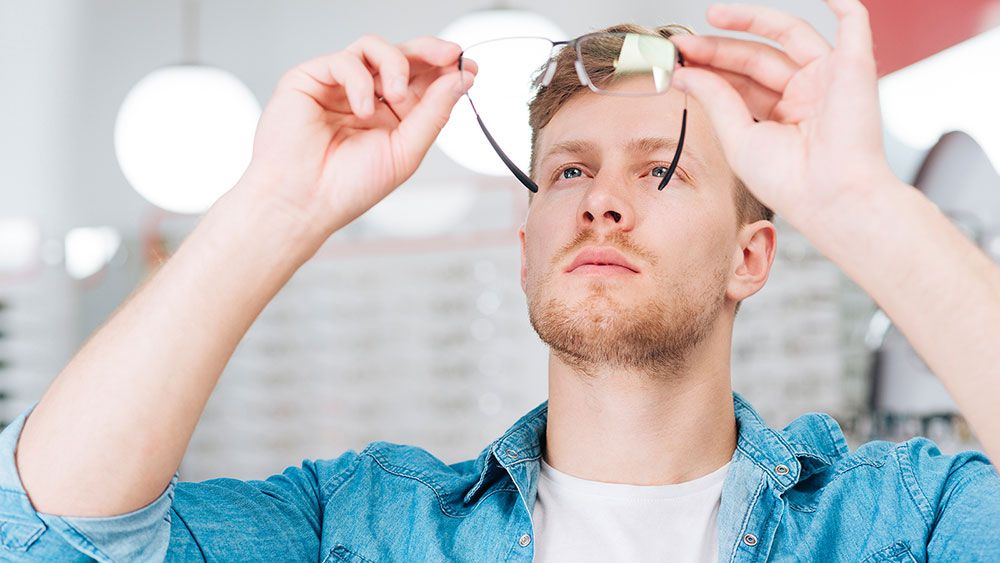
How to choose glasses that stay comfortable all day
The best long-wear frame is not always the lightest frame. It is the frame that spreads weight evenly. A very light frame can still slip if the bridge is wrong, while a slightly heavier acetate frame can feel stable if the width and bridge fit are right.
- Frame width: The front should not extend far past your face. Oversized frames can look stylish but may slide more easily.
- Bridge fit: Low bridge wearers often benefit from adjustable nose pads or frames designed with more lift.
- Temple length: Temples should curve behind the ears without digging in.
- Lens size: Larger lenses can add weight, especially with stronger prescriptions.
- Material: TR-style lightweight frames, slim metal frames, and balanced acetate frames can all work when the fit is right.
Glasses with headphones, masks, and screen work
All-day comfort often depends on your routine. If you wear over-ear headphones, thinner temples usually feel better. If you wear a mask, adjustable nose pads and a stable bridge can reduce slipping and fogging. If you work at a screen, a frame that stays level matters because you do not want to keep pushing the glasses back into place while reading.
When not to adjust glasses yourself
Do not force cracked acetate, sharply bent metal, broken spring hinges, or frames with lenses that keep popping out. Also avoid major adjustments if your glasses are progressive or high prescription, because small frame position changes can affect how the lenses feel. In those cases, use a professional adjustment.
FAQ
How do I tighten loose glasses?
Check the hinge screws first and tighten them gently with an eyeglass screwdriver. If the frame still feels loose, the temples may need adjustment or the frame may be too wide for your face.
Why do my glasses keep sliding down?
Sliding usually comes from oily nose pads, weak bridge contact, a frame that is too wide, or temples that do not hold behind the ears. Cleaning and nose pad replacement can help, but persistent sliding usually means the fit needs adjustment.
Are lightweight glasses always more comfortable?
Not always. Lightweight glasses can reduce pressure, but comfort also depends on bridge shape, frame width, temple fit, and lens weight.
Should I adjust acetate frames at home?
Be careful. Acetate often needs controlled heat for adjustment. For anything more than a tiny alignment check, an optician is the safer option.
Conclusion
Comfortable glasses are the result of small details working together: clean nose pads, secure hinges, balanced frame width, stable bridge contact, and temples that hold without pinching. Start with simple maintenance, then choose your next frame around the way you actually wear glasses every day.