If your glasses slide, pinch, sit too high, or leave pressure marks, the nose bridge is often the real fit problem. High bridge and low bridge fit describe where the frame rests on your nose, and that can matter more than face shape alone.
This guide explains how to tell which bridge type you have, what details help each fit better, and when to compare square glasses, rectangle glasses, browline glasses, or lightweight frames before ordering.

How to Tell if You Have a High or Low Bridge
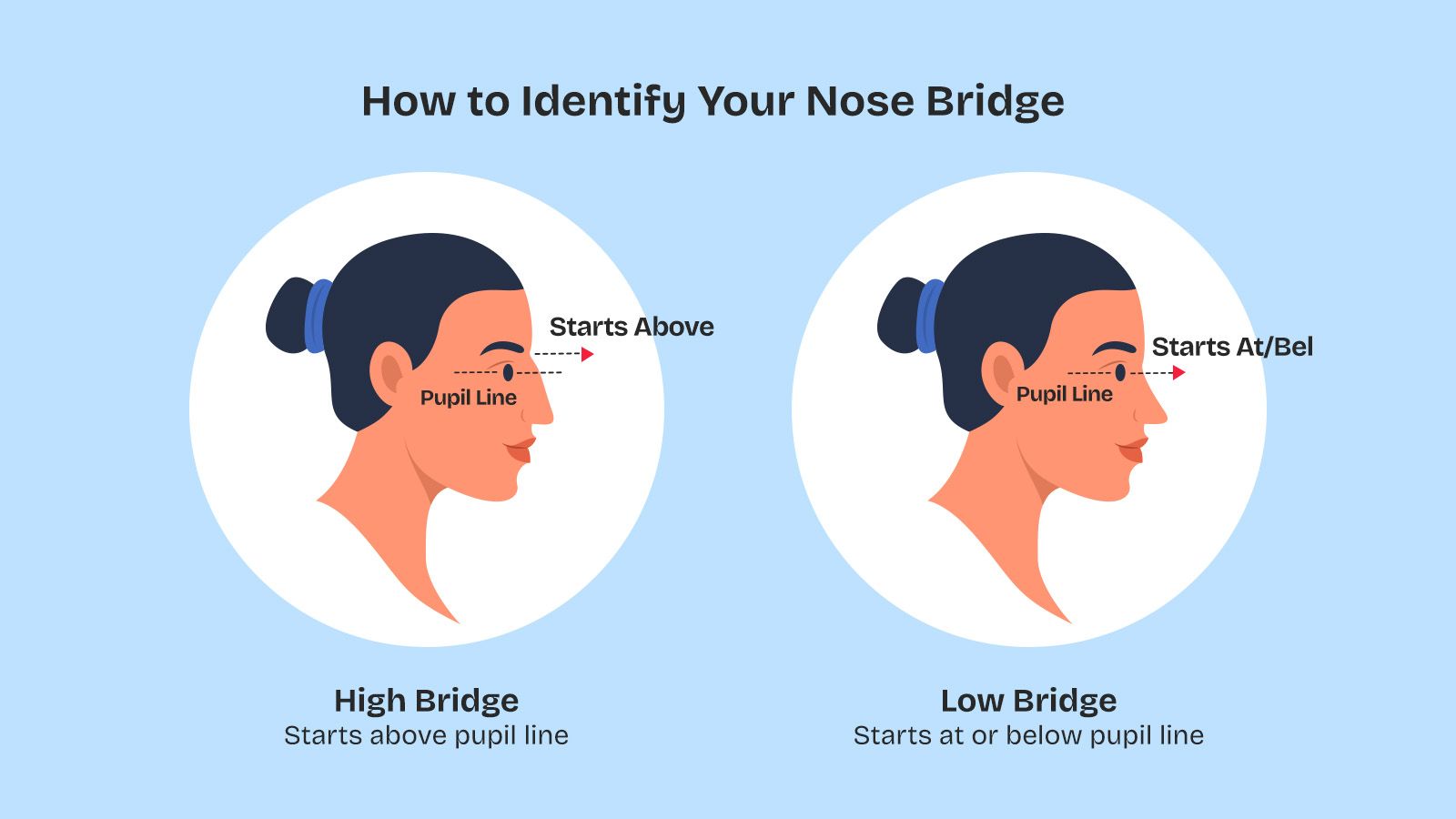
Stand in front of a mirror with your head level and look at where the nose starts to slope away from the brow area.
- High bridge: that starting point sits above the pupil line. The nose often has a more defined angle and can push some frames too high.
- Low bridge: the slope begins around the pupil line or below it. The upper nose can look flatter, and some frames may sit low or touch the cheeks.
Once you know that starting point, frame shopping gets easier because you can stop forcing a shape that was never designed to sit correctly on your bridge.
| Feature | High bridge | Low bridge |
|---|---|---|
| Where the nose starts | Above the pupil line | At or below the pupil line |
| Common fit issue | Pinching or frame sitting too high | Sliding, fogging, or cheek contact |
| Helpful frame detail | Narrower bridge or keyhole fit | Adjustable nose pads or extra lift |
| Best shopping focus | Bridge width and front curve | Pad adjustability and frame height |
What Usually Works Better for a High Bridge
A high bridge can still slip if the bridge opening is too wide. It can also push the frame upward until the top rim sits too close to the brows or the lashes brush the lenses.
A narrower bridge measurement and a flatter front usually help more than simply tightening the temples. Keyhole bridges are popular because they sit along the sides of the nose instead of pressing straight down on the highest point.
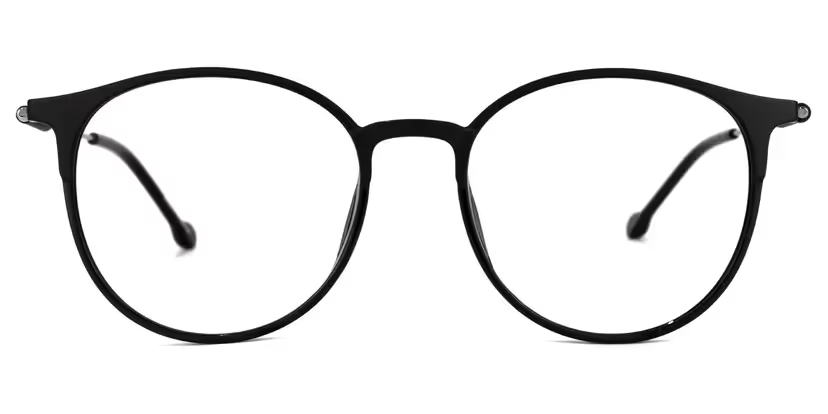
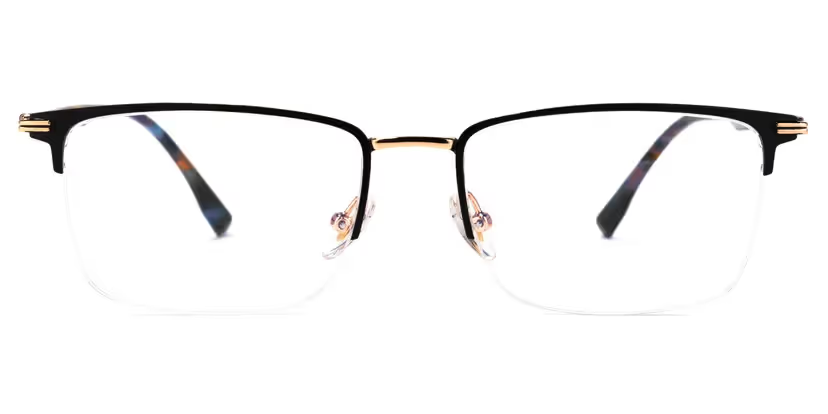
If you want a structured everyday shape, square glasses and rectangle glasses can work well when the bridge width is controlled. If you prefer a lighter upper line, browline frames can also be worth comparing.

What does “high bridge fit” usually mean?
It usually refers to a frame that keeps the bridge opening controlled enough that the frame does not ride too high on a more prominent nasal bone. The goal is simple: stable placement without brow crowding or pinching.
What Usually Works Better for a Low Bridge
Low-bridge wearers often deal with the opposite problem: the frame drifts forward, sits on the cheeks, or fogs more easily because it drops too close to the face.
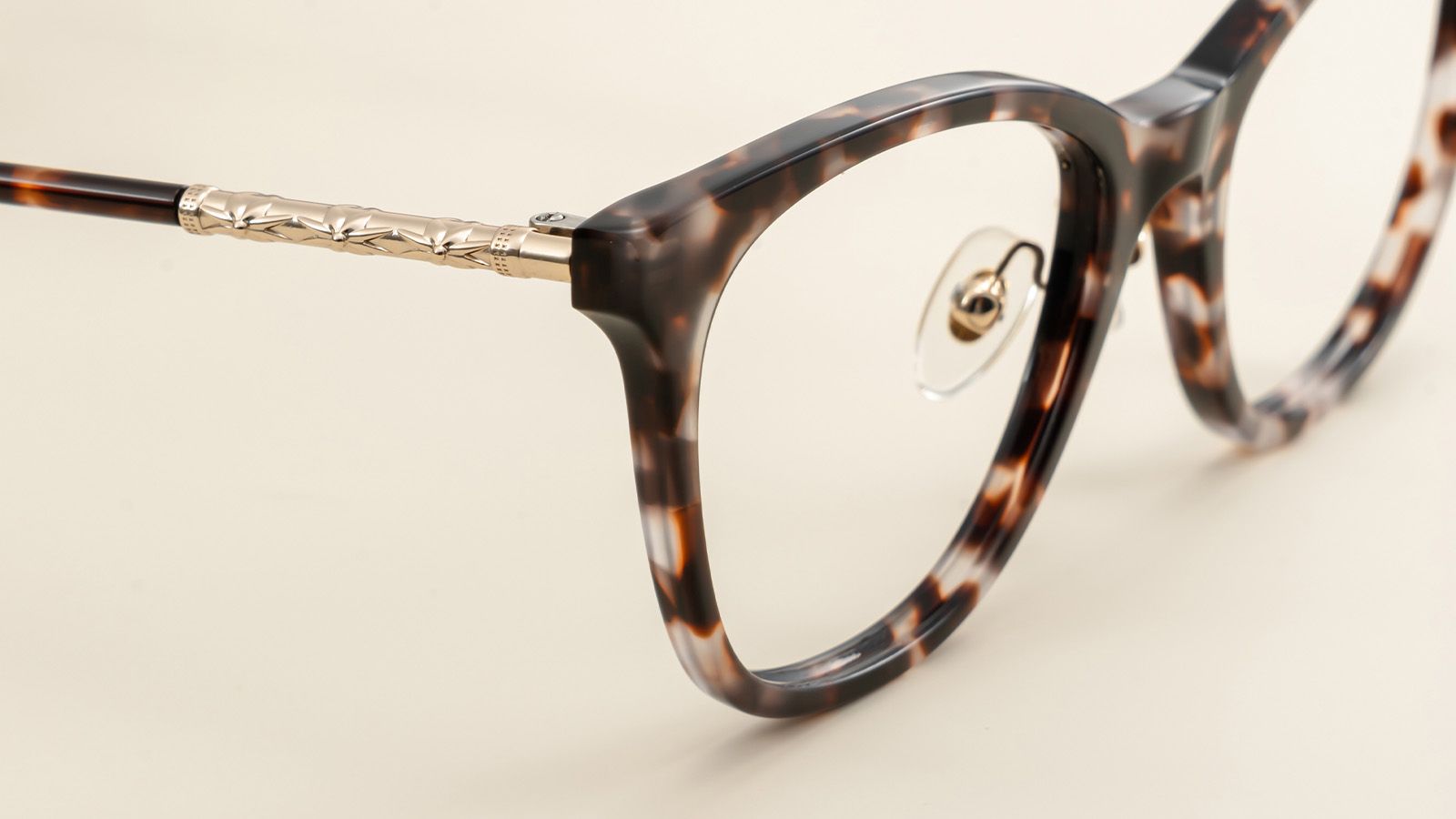
Adjustable nose pads usually help the most because they let you create lift and spread weight across a softer contact point. Silicone pads often feel steadier than hard plastic pads, especially if slipping is the main problem.
Fixed acetate pads can still work, but they need the right bridge shape and enough lift. If they sit flat against a low bridge, the frame may keep sliding no matter how much temple pressure you add.
How Asian fit, petite, and wide frames relate to bridge fit
Asian fit glasses usually refer to frames designed for lower or flatter bridge profiles, but the label is not a guarantee. Check whether the frame has adjustable nose pads, a bridge shape that creates lift, and enough front curvature to avoid cheek contact.
Petite eyeglass frames are usually narrower overall, which can help smaller faces avoid sliding and temple pressure. Wide-fit frames help when standard frames pinch at the temples or sit too narrow across the face. In both cases, compare the listed frame width, bridge width, and temple length against a pair you already wear comfortably.
Quick Buying Checklist
- High bridge: prioritize bridge width, flatter fronts, and shapes that do not crowd the brow area.
- Low bridge: prioritize adjustable pads, stable lift, and enough lens height to avoid cheek contact.
- Both: check whether the frame sits level, keeps your pupils centered, and feels secure without leaving pressure marks.
Where to Go Next
If you already know you need a more structured fit, start with square glasses or rectangle glasses. If you want a defined upper line without a fully heavy frame, compare browline glasses. If color and pattern are part of your shortlist, compare bridge details on tortoise shell glasses or softer pink glasses frames before moving into lenses.
FAQ
How do I know if I have a high or low nose bridge?
Look straight ahead in a mirror and check where your nose starts to slope away from the brow area. Above the pupil line usually indicates a high bridge; at or below the pupil line usually indicates a low bridge.
What is the difference between high bridge and low bridge glasses?
High bridge vs low bridge glasses usually comes down to where the frame rests on the nose. High bridge fit glasses need a controlled bridge opening so the frame does not ride too high, while low bridge fit glasses usually need more lift, adjustable pads, or a front shape that helps prevent sliding.
How should I choose glasses for a high nose bridge?
For a high nose bridge, look for high bridge glasses with a bridge width that does not pinch, a frame front that stays level, and enough room around the brow. High bridge nose glasses often work best when the frame sits securely without being forced upward by the nasal bone.
Can I compare low bridge vs high bridge fit before ordering online?
Yes. Compare low bridge vs high bridge fit by checking where your nose starts, how your current glasses sit, and whether you need lift or a more controlled bridge opening. If the frame slides down, low bridge support may matter more; if it sits too high or pinches, high bridge fit details may matter more.
What are the best glasses for a low or flat bridge?
Frames with adjustable nose pads are often the safest starting point because they let you add lift, improve grip, and reduce cheek contact more easily than fixed pads.
Are Asian fit glasses the same as low bridge glasses?
They often overlap, but they are not always identical. Treat Asian fit as a helpful shopping label, then confirm the actual bridge design, nose pads, lens height, and frame width.
Why do keyhole bridges often work for higher bridges?
Keyhole bridges spread contact along the sides of the nose instead of pressing directly on the top point, which can make the fit feel lighter and more stable.
Can the same frame shape work for both high and low bridges?
Yes, but the bridge design matters more than the silhouette alone. A square or browline frame can work for either bridge type if the fit details support how the frame actually sits on your face.
Conclusion
The better your bridge fit, the less you think about your glasses during the day. Start with the bridge first, then compare shape, color, and style. That order usually leads to a much better result than shopping by appearance alone.