One pair says “polarized.” You ask yourself, does that mean it protects my eyes from the sun? You're standing in a store, looking at sunglasses.
The truth is that polarized sunglasses can block UV rays, but not always. It depends on how the lenses are made. Some sunglasses cut glare but don’t protect against UV. Others do both. And that makes a main difference for your eye health. In practice, good question.
In practice, thus, this blog will explain whether do polarized sunglasses block UV, their actual functionality, how UV protection works through them, the basis for choosing them, and their importance.
What Are Polarized Sunglasses?
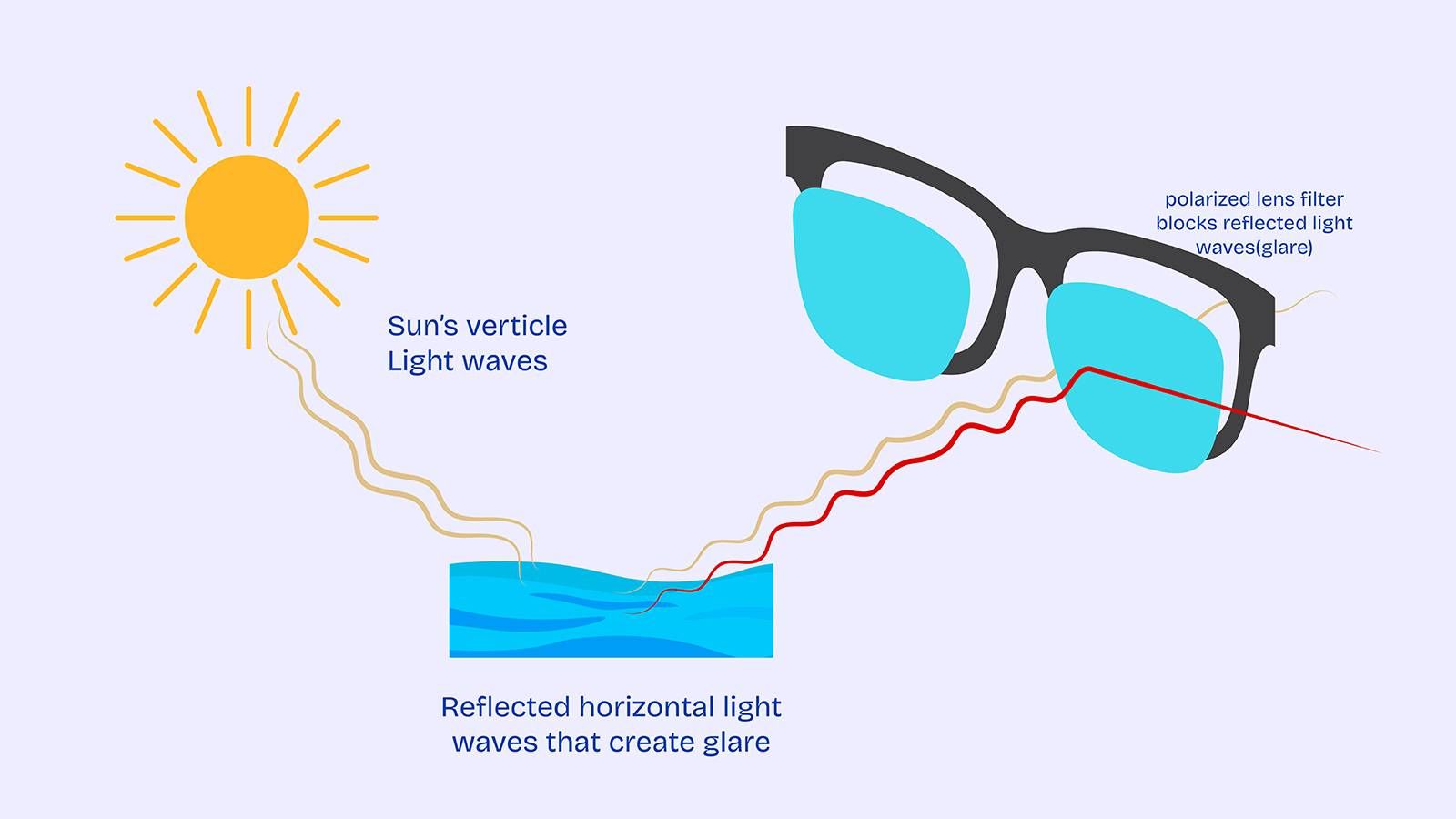
This light can sometimes make it quite difficult to see and even cause some pain in the eyes. Polarized lenses block bright light caused by reflections from flat surfaces like water, roads, and snow.
The polarized lenses have a special feature that blocks the light, which makes glare and so everything becomes clearer and more comfortable while viewing.
They work especially well for:
- Driving on sunny days
- Fishing or boating
- Skiing or snowboarding
- Walking or biking near water or glass
But it is very important to understand that cutting glare does not mean it cuts out UV. Less glare means less eye strain and better visibility with less squinting.

Do Polarized Sunglasses Block UV Rays?
Polarized lenses may be great, but they don't always protect your eyes against UV rays. Some do, but not all. The best way to know is to read the label carefully. Look for something that says:
- “UV400”
- “100% UV protection”
The lenses act against both U.V.A. And U.V.B. Rays and are capable of inflicting damage on the eyes. If the label doesn't mention UV, it's safe not to trust it. If you see either of those, you are safe.
Why is this so important? Because UV rays can cause:
- Eye sunburn
- Cataracts (cloudy spots in your eyes)
- Macular degeneration (vision loss over time)
So, just because your shades cut glare, they are not protecting you entirely. Always check for UV protection, too. And, yes, this can happen even on cloudy days.
How to Choose UV-Protective Polarized Sunglasses
Just keep a few things on your mind. In practice, there’s no pressure while thinking about picking any of the sunglasses.
- Check the label. Look for “UV400” or “100% UV protection.” If it does not say anything about UV, skip it.
- Stick with trusted brands. Ray-Ban, Oakley, Maui Jim, and SatisVision all make good options. They’re known for quality and eye safety.
- Skip cheap sunglasses without UV protection info. They might look good, but if they don’t block UV rays, they’re not helping your eyes.
- Think about the lens.
Polycarbonate lenses are light and strong.
Glass lenses are clear but heavier.
Pick the one that feels best to wear.
- Lens color matters, too. Gray and brown are popular and help with outdoor lighting. Choose what feels best to you.
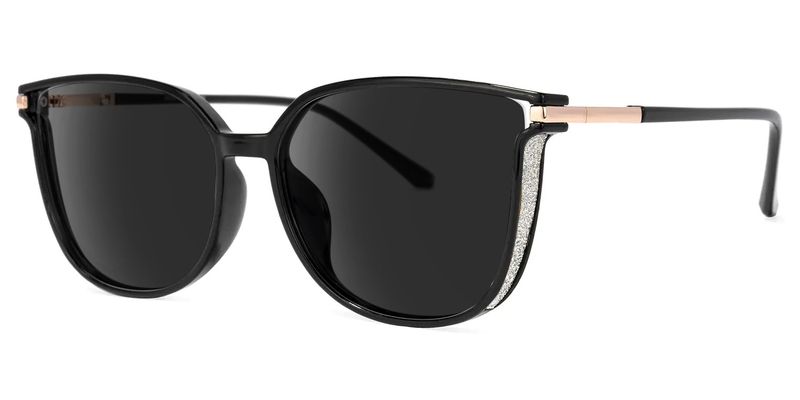
SatisVision offers polarized sunglasses that also protect your eyes from UV rays. They’ve got lots of styles to choose from, too. Want a pair that checks all the boxes?
Polarized vs. Non-Polarized: Which Is Better for UV Protection?
Let’s compare.
- Polarized sunglasses reduce glare. That makes them great for driving, water sports, and outdoor fun. Some also protect against UV. Just make sure the label says so.
- Non-polarized sunglasses can still block UV rays, but they will not stop glare. They’re fine for everyday use or short trips outside.
If you are outside a lot, near water, snow, or shiny surfaces, choose polarized lenses with UV protection. So, which one should you choose?
If you are just walking around town or need basic sun coverage, non-polarized sunglasses with UV protection might be enough.
Your best bet is a pair that handles both. In practice, remember, glare and UV are two different things.
Additional Benefits of Polarized Sunglasses
In practice, there is more love to be in the shade from a polarized sunglass than just glare protection.
They also reduce eye strain. With less strain, you will squint less, have fewer headaches, and enjoy a clearer view all day. They improve clarity, make colors pop, and reduce eye strain on bright days.
These sunglasses are well suited to things like:
- Boating
- Hiking
- Fishing
- Driving long hours
- Walking by the beach or lake
If you are active or outdoors a lot, they’re a solid choice.
Conclusion
Polarized sunglasses reduce glare. UV protection blocks harmful rays. You want sunglasses that do both. Check the label for “UV400” or “100% UV protection.” Do not guess; make sure. A very beautiful pair of polarized, UV-protective sunglasses protects, helps the eye-vision improve, and looks very trendy as well. In practice, let’s wrap it up.
Check out SatisVision! Got questions or thoughts? Feel free to drop a comment or share this post with a friend. In practice, looking for stylish, affordable protection?