Just saying it makes your stomach do a little flip, right? Even if you've done it before, that vision test part always feels weird. You sit there, staring at the chart across the room, wondering if you really need your glasses. The answer? Absolutely. Do not even think about leaving them behind. In practice, the DMV.
It is not trying to trick you. It is just about safety. Passing doesn't mean your vision needs to be flawless. It just means you can read the signs, notice a pedestrian or a bike, and react before something goes wrong. The test is just checking how you see when you drive, and that includes whatever lenses you normally wear.
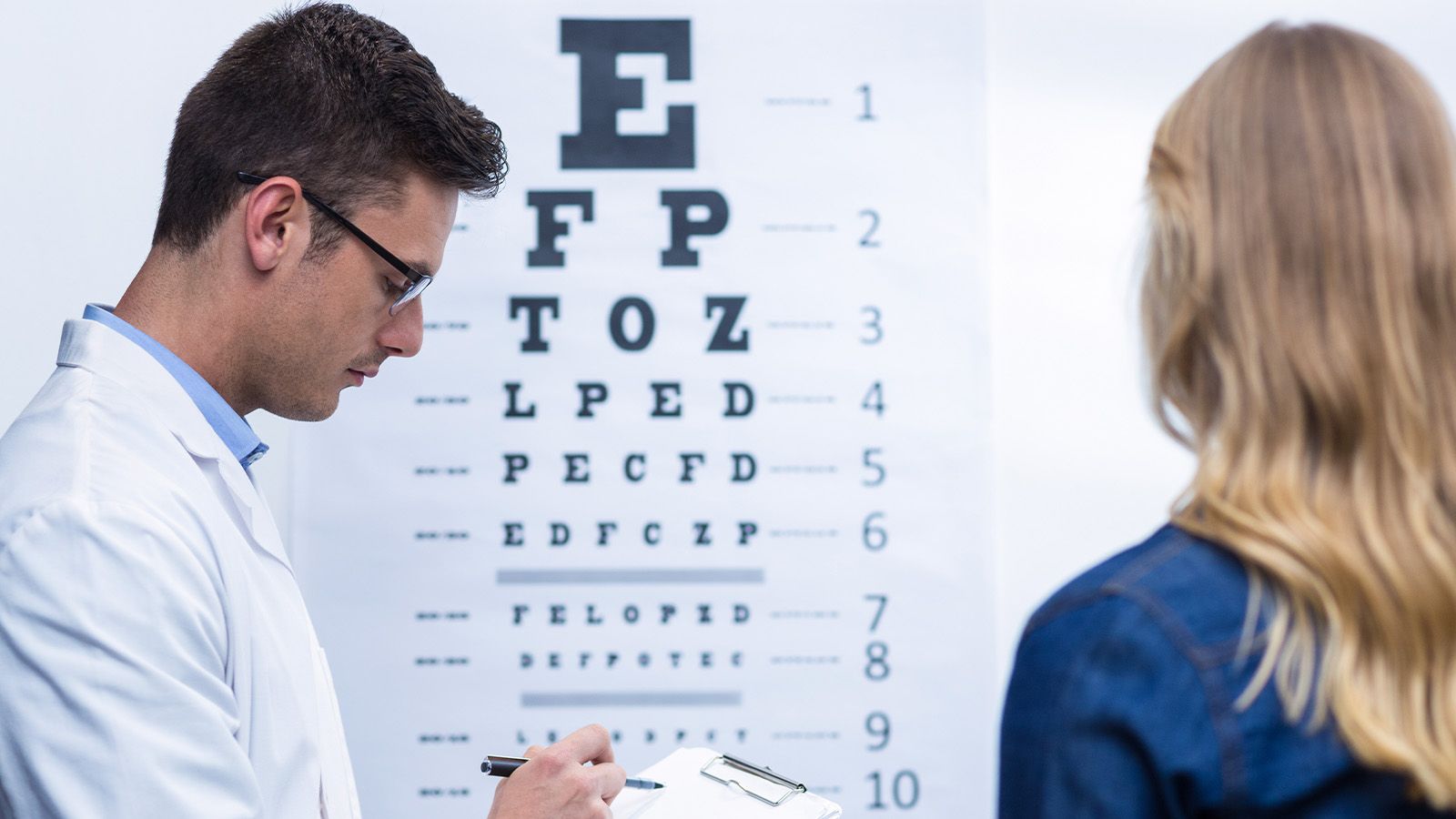
In practice, in this blog, we’ll break down the rules about glasses, what the test actually looks like, and some little things you can do to feel less anxious.
What is the DMV Vision Test?
Anyone getting or renewing a license has to take it. You’ll read signs, spot movement, and notice little details while driving. Your eyesight does not have to be perfect. In practice, the DMV vision test is really just a quick peek at how your eyes are doing for driving.
The DMV just wants to make sure your vision, with DMV vision test glasses if you need them, is enough to drive safely. The test is usually over in a few minutes. If you pass, it is basically saying, “Yep, you can see well enough to keep yourself and others safe.” Even missing a stop sign for a second could be risky.
The Official Answer: Wearing Glasses for Your DMV Test
Seriously. The DMV wants to check how you see while driving, so leaving them off does not make sense. Your glasses show your real vision. In practice, if you need glasses, put them on.
They make the test easier and keep you focused. Once you pass, your license will probably say “corrective lenses required.” It is not a punishment; just wear your glasses to see safely.
What to Expect on Your DMV Vision Test
Most people breeze through, but it checks a few important things. The test is usually quick.
Visual Acuity: Reading the Signs
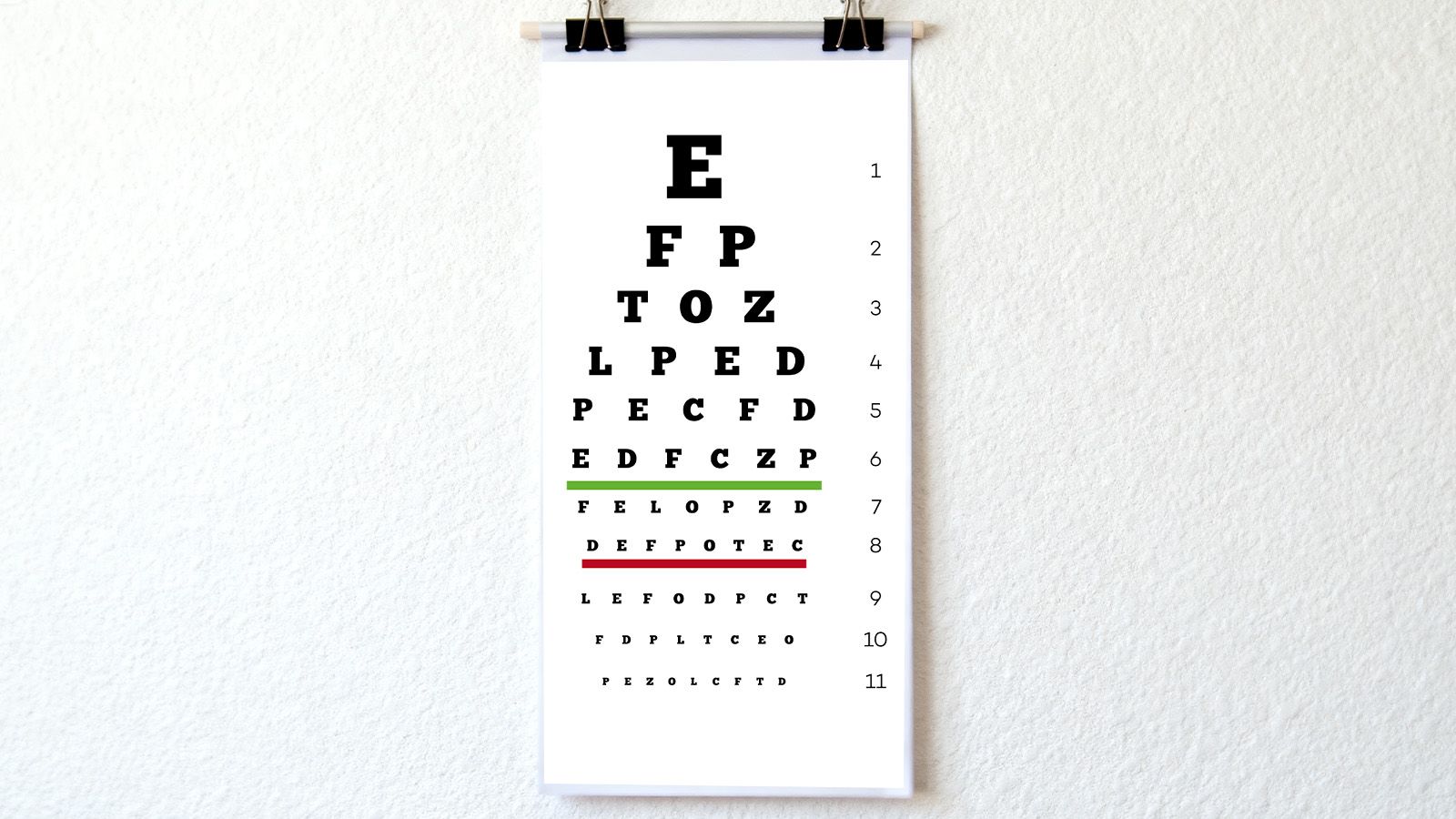
A few squints and blinks, and you're good to go. It just checks that you can see signs and spot hazards. In practice, you read a chart across the room, usually needing 20/40 vision with glasses or contacts.
Peripheral Vision: Seeing the Bigger Picture
The DMV might flash lights or ask you to point to objects to the side while you keep staring ahead. It may feel a little strange, but it is simple and essential. In practice, side vision matters because cars or pedestrians don’t always come straight at you.
Color Vision: Knowing Your Reds and Greens
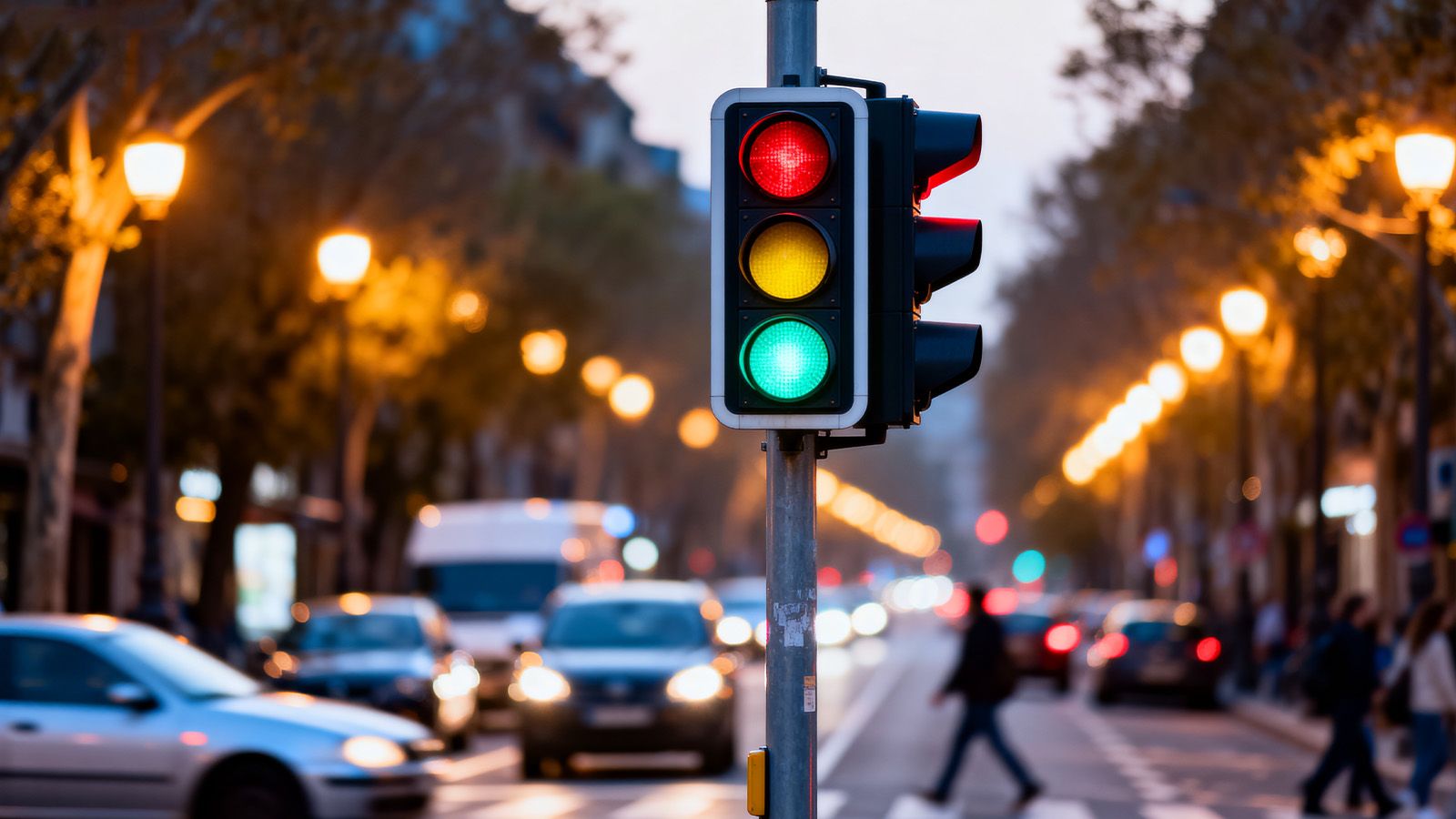
You might get a colored chart and have to point out the colors. It may feel a little silly, but mixing up a red and green light is dangerous. In practice, traffic lights and signs rely on color.
How to Prepare for a Successful Vision Test
Here’s what I do, and it works. A little prep makes a main difference.
Step 1. Ensure Your Prescription is Up-To-Date
If your prescription is fresh, the test is easier. Once updated, you can check out frames for glasses online SatisVision. They’re comfortable and look good, so you don’t have to worry about adjusting them mid-test Eyes can change slowly, and old glasses might not meet the standard.
Step 2. Check That Your Lenses are Clean and Clear
A quick wipe can save you some squinting and stress. Anti-scratch coatings help keep lenses clear longer. Many brands, including SatisVision, include them. Smudges or dust make letters blurry.
Step 3: Make Sure Your Frames are Comfortable and Well-Fitted
Comfortable glasses let you focus. SatisVision has Virtual Try-On tools that make it easy to find frames that fit right and stay in place. Frames that slide or block your view distract you.
The test is simple when your glasses and vision are ready. And honestly, being able to see clearly makes driving less stressful in general. In practice, doing these small things may make you feel calmer, see clearly, and pass without extra stress.
If you're also preparing for other official requirements, you might wonder about whether you can wear glasses in passport photo s, as the rules may be quite different.
DMV Vision Test FAQ
What if I don't pass the vision test?
The DMV will send you to an eye doctor for a new prescription. Do not freak out.
Can I wear contact lenses instead of glasses?
Contacts count too, and your license will note that corrective lenses are required. Yes.
Are the vision requirements the same in every state?
Most are similar, but check your local DMV website before the test.
Conclusion
You need them. The key is simple: a current prescription and lenses that are clean and comfortable. Doing this keeps the test stress-free and makes you feel ready. Clear vision is the foundation of confident driving. SatisVision offers frames and tips that make sure you see clearly and feel prepared every time you get behind the wheel. In practice, glasses aren’t optional for the DMV vision test.