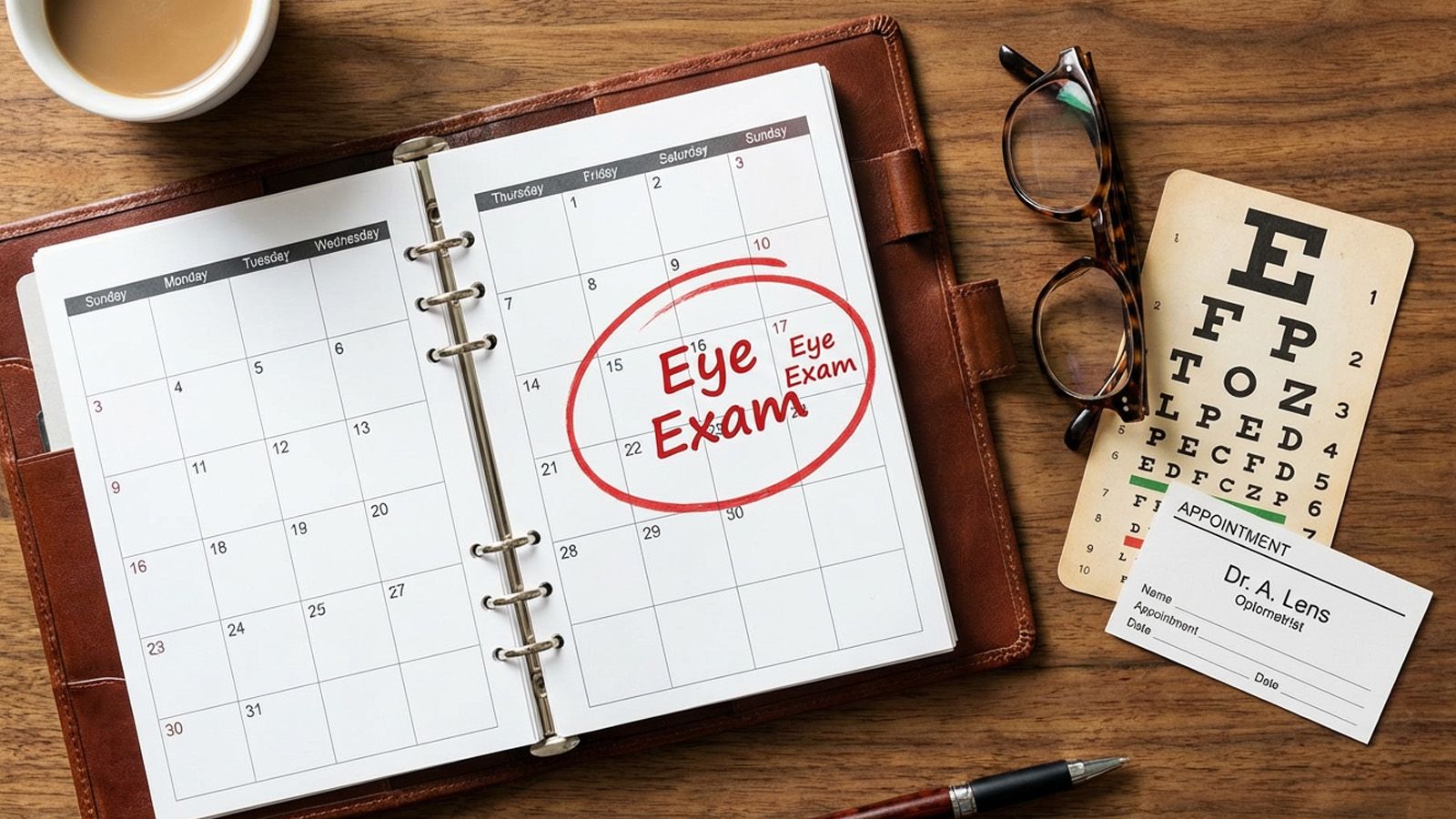
In practice, many people ask the same question repeatedly: how often should I get new glasses? Most eye doctors say you should get your eyes checked every one to two years. If your vision has changed, it might be time for a new pair. This advice works for most people, but it is not the same for everyone.
Others can wait a bit longer. It depends on your age, eye health, and the frequency of your daily glass use. Vision changes slowly over time; it's easy to miss the signs at first. Your eyes adjust. Your brain helps you see better, even when your glasses are no longer correct. Often, people only realize how bad their vision was after putting on a new pair. Some people need new glasses sooner.

Understanding General Guidelines for Prescription Updates
Eyeglass prescriptions usually have an end date. This is often called prescription expiration. It is one to two years. This does not mean your glasses suddenly stop working. It means your eyes may have changed since the last exam.
For adults, vision changes are often slow. Many adults can use the same glasses for almost two years. Children and teenagers are different. Their eyes grow fast, so their prescription can change quickly. Your eyes are always changing, even if it doesn't feel like it.
The same goes for people with health problems like diabetes. These conditions can affect vision without warning. Using an old prescription to buy glasses online can cause eye strain, blurry vision, and discomfort. Small adjustments in numbers may make a main difference in how your eyes feel. If your prescription has changed significantly, don’t worry if things feel strange at first—check out our guide on getting used to new glasses to make the transition smoother. Older adults should consider eye exams every year.
Physical Symptoms That Indicate You Need New Glasses
The signs are not always obvious at first, but they become clearer over time. Here are some signs you need new glasses. In practice, your body often tells you when something is wrong with your glasses.
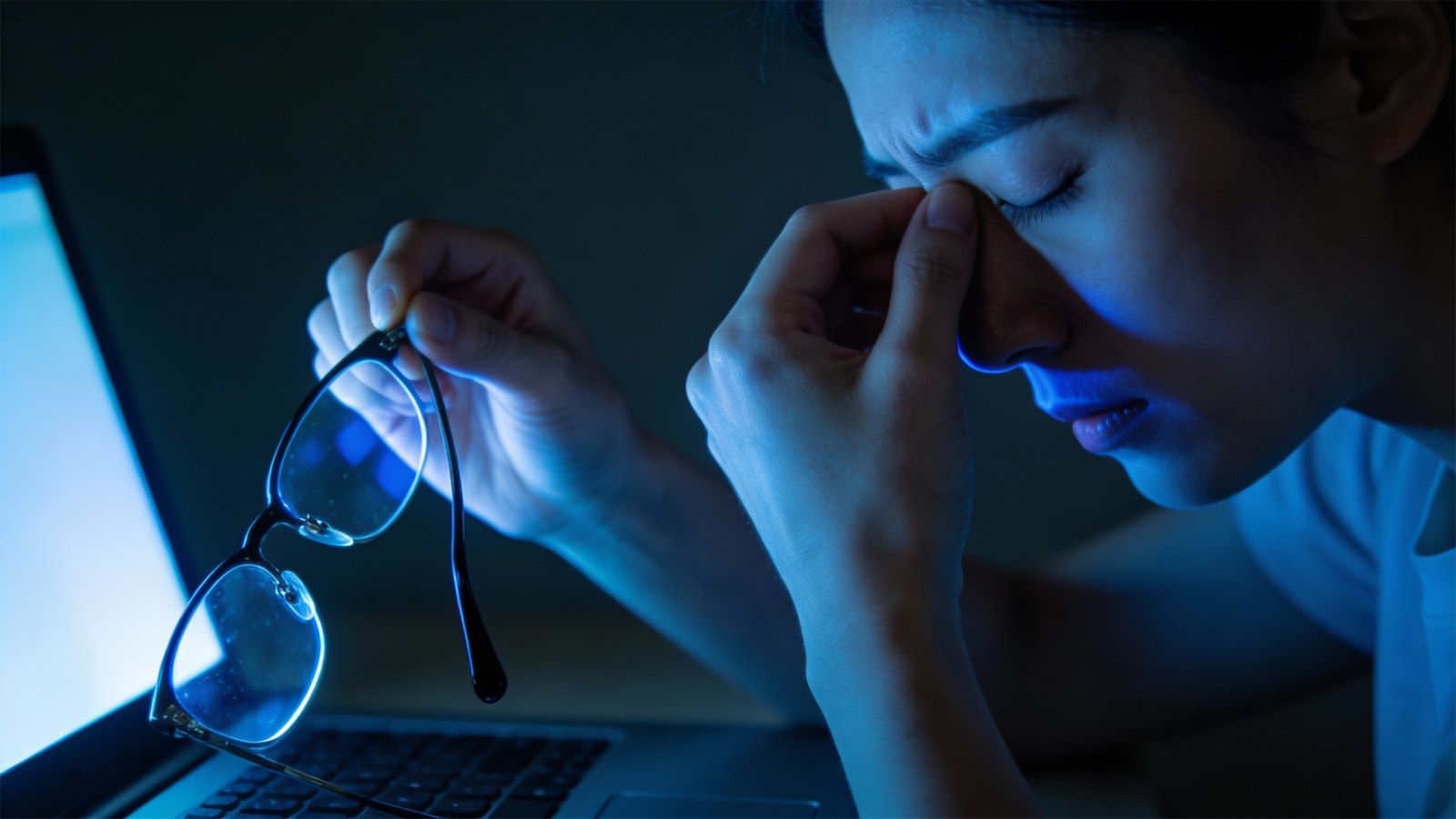
- Frequent headaches? That's a common sign. If you experience frequent headaches, especially after work or screen time, your glasses may be the problem. When your prescription is old, your eyes work harder to focus. Your brain helps as much as it can, but this causes stress. That stress can turn into pain.
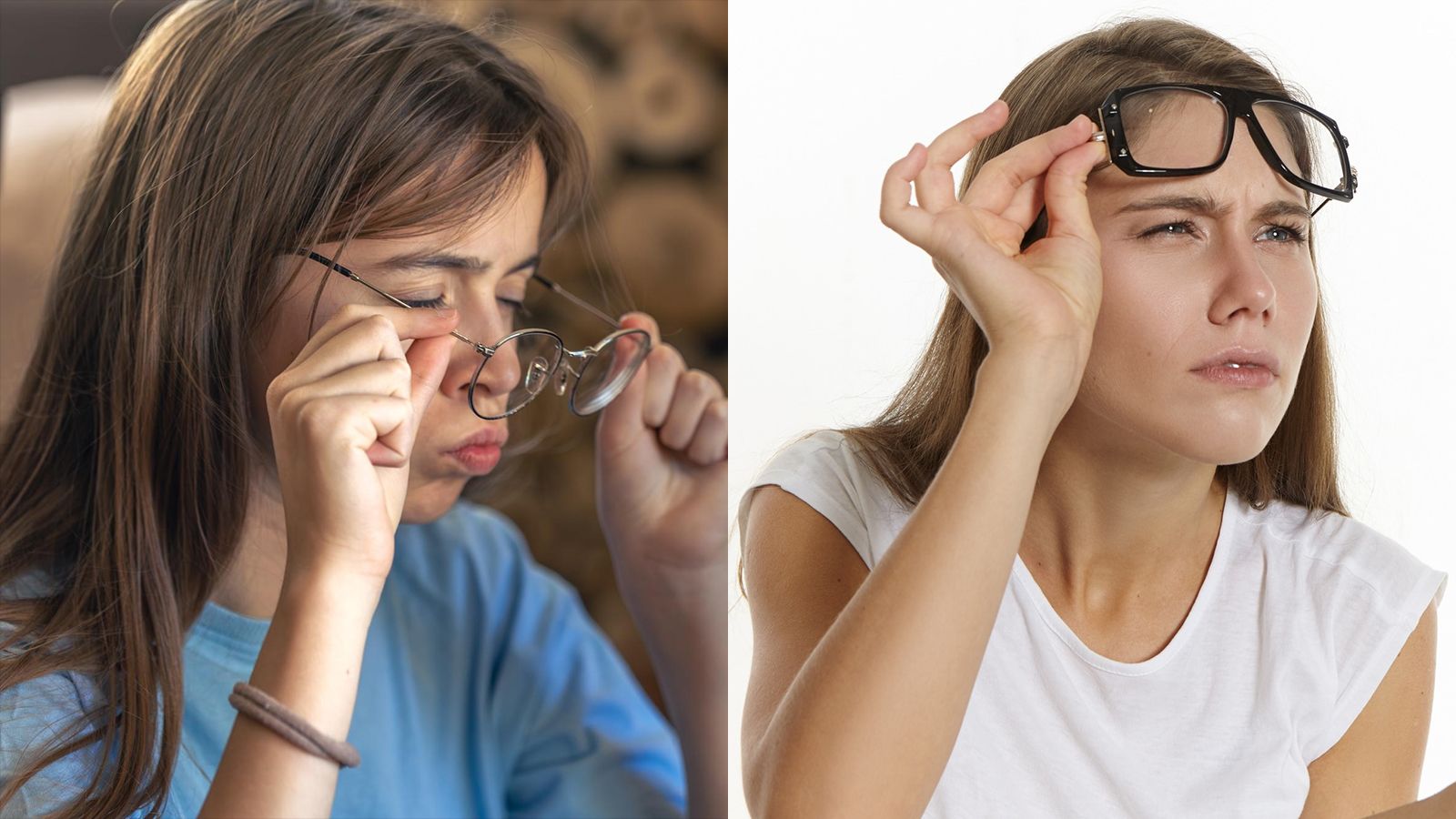
- Squinting is another sign. Squinting helps change how light enters your eyes. People do this without thinking. If you squint to read messages, watch TV, or see signs on the road, your glasses may not be strong enough anymore.
- Having trouble with night vision? This is another important sign. Driving at night should not feel scary. If lights look blurry or you see halos around streetlights, your lenses may no longer match your eyes. This can be a sign that your astigmatism correction is off.
If these problems persist, it is advisable to schedule an eye exam soon.
Inspecting Lenses for Scratches and Coating Damage
Lenses get scratched over time. Some scratches are easy to see. Others are very small. These tiny marks are called "micro scratches." Even though you may not notice them, they bend light in the wrong way. This makes your eyes tired. In practice, sometimes your prescription is fine, but your lenses are not.
Anti-reflective and UV coatings do not last forever. Heat, sunlight, and cleaning all slowly damage them. If your lenses always look dirty, even after washing them, the coating may be worn out. Lens coatings also wear down.
This means the surface is breaking down. Scratched lenses and damaged coatings reduce clear vision. They also reduce protection from the sun. Without proper UV protection, your eyes are at higher risk for damage over time. Another sign is if the edges of your lenses start to peel.

Recognizing When Frames Are Too Worn to Wear
Loose screws that never stay tight are one example. Nose pads can turn yellow or hard. Plastic frames may lose their shine or turn white. This often means the material is breaking down. Frames also show signs of age.
Glasses should feel stable on your face. If they slide down your nose or press too hard on the sides of your head, the frame may be bent or stretched. If you are always pushing your glasses back up, they are not fitting right. Fit problems matter too.
A damaged hinge can break at the wrong time. In many cases, buying a new frame is safer and easier than trying to fix an old one. In practice, using tape or glue to fix broken frames never lasts.
What to do with old glasses
If you are wondering what to do with old glasses, old eyeglasses, old spectacles, or old glasses frames, start by separating pairs that are still wearable from pairs that are damaged. A backup pair can be useful for travel, nightstands, desk drawers, or emergency use when your main glasses break.
For frames or lenses you no longer need, check local optical donation or recycling programs before throwing them away. SatisVision cannot confirm every local recycling rule, but you can still keep old eyewear useful by storing a backup pair, replacing worn nose pads, or upgrading to a new frame when the old pair no longer sits securely.
Updating Eyewear to Match Lifestyle Changes
When that happens, your glasses may no longer fit your needs. Your life can change even if your eyes do not.
Even with a good prescription, screen time causes strain. Blue-light-blocking lenses may reduce strain and make long screen sessions more comfortable. If you now spend more time on computers or phones, your eyes may feel tired more often.
Outdoor activities mean more sun exposure. Prescription sunglasses or photochromic lenses help protect your eyes while keeping vision clear. If you spend more time outside, your glasses should support that too.
They help you live more comfortably every day. New glasses are not only for seeing better.
Refreshing Your Style with SatisVision Trendy Frames
But glasses are also part of your overall style. They sit on your face and are one of the first things people notice. Many people keep the same glasses for years because they view them as medical devices.
Trends change. Frame shapes change, too. What looked good five years ago may not suit today’s styles. Wearing very old styles may make you look dated, even if your clothes are modern.
Because the frames are affordable, you do not have to own only one pair. Many people enjoy having one simple pair for work and another bold, colorful pair for weekends. This makes wearing glasses feel more fun and personal. SatisVision makes it easy to update your look without breaking the bank.
Conclusion
Pay attention to how your eyes feel, how your lenses look, and how your glasses fit into your life. Waiting too long can cause eye strain and unnecessary stress. Most people should update their glasses every one to two years, but the real answer depends on you.
Sometimes, a small change makes a main difference. If you feel it may be time for a change, take a look at SatisVision's New Arrivals or try the AR Try On feature to see how a new pair looks on your face today.